The Lost Art of Isolated Thinking
Productivity & Personal Growth
Hurricane Sandy has been a pretty thought provoking experience. Some of things that have occupied my mind over the past 2 weeks:

- I’m so incredibly fortunate that family, friends, and colleagues are safe.
- We are not in control, no matter how hard we try to be.
- Times of desperation bring out the best in some people. They also bring out the worst in others.
- If I had unlimited money, what would I do to add the most value to my business?
- How can I be a better son, brother, and friend?
- What are the three most important habits I could form in the next year that would propel me towards my goals?
- What inconveniences do I routinely experience that I wish there was a solution for?
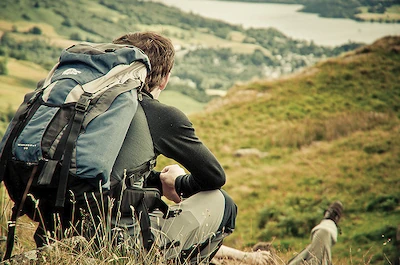
The thoughts instigated by these questions come with consequences that breed work. The return on our time spent thinking is often additional and more challenging work. Compare this to the payoff of checking your email or engaging with some other external stimuli. It’s a very different type of progress. One makes you feel like you’re walking forward. The other requires you to put on a 20 lb rucksack and maybe even change your direction. Considering we typically opt for the path of least resistance, we’ll likely choose the type of progress that affords us immediate gratification instead of one which yields more work...even when we get the sense that one might have better long term implications.
- Schedule it. I like to do it at 6am once a week
- Have a digital detox once a month (no phone, computer, TV).
- Turn your phone on airplane mode when you don’t need it.
- Get in the habit of establishing post-mortems around any important experience. What did you learn?
- Practice and record a daily reflection 5 minutes a day.
- Write without an explicit purpose. Morning pages is an example of this.
Categories: Productivity & Personal Growth
Tags: Focus , Learning , Thoughtfulness